
Lifestyle Photography: Capturing Authentic Everyday Moments
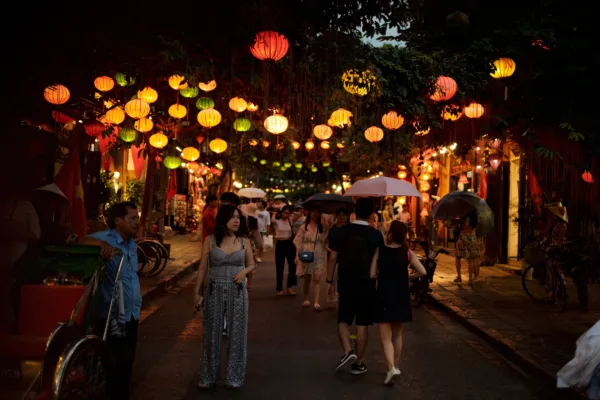
Lifestyle photography is about capturing real people, natural interactions, and everyday moments in a visually meaningful way. Unlike highly posed photography, lifestyle images often feel relaxed and authentic because they show people in familiar environments and situations. A successful lifestyle photograph does more than document what happened. It communicates atmosphere, emotion, and a sense of story. The photographer must pay attention to light, surroundings, composition, and human interaction while allowing moments to develop naturally. In this guide, we will explore practical lifestyle photography techniques for creating authentic images, from choosing meaningful locations and using natural light to capturing genuine interactions and telling stronger visual stories. What Is Lifestyle Photography? Lifestyle photography focuses on real-life situations and natural interactions. Instead of controlling every detail of a scene, the photographer creates opportunities for authentic moments to happen and stays ready to capture them. The subjects might be a family spending time together, friends exploring a city, a person working on a creative project, or someone enjoying a quiet moment at home. The setting becomes an important part of the photograph because it provides context about the people and their lives. This does not mean lifestyle photography requires no planning. Choosing the right location, observing the available light, and thinking about composition can help create images that feel natural while still being visually strong. Choose a Meaningful Environment The environment is an important part of lifestyle photography because it helps explain who the subject is and what is happening. A familiar location can make people feel more comfortable and can also add useful details to the story. For example, a family might be photographed at home or in a favorite park, while an artist might be photographed in a studio surrounded by creative tools. The location should support the subject rather than compete for attention. Before taking photographs, look around the environment for distracting objects, interesting textures, natural frames, and areas with good light. Small adjustments to the shooting position can often create a cleaner and more meaningful composition. Use the Environment to Tell a Story Details in the environment can make a lifestyle photograph more personal and informative. Objects, architecture, furniture, clothing, and even weather can provide clues about the subject and the moment being photographed. However, not every detail needs to be included. Choose elements that contribute to the story and remove or avoid distractions when possible. The goal is to create an image that feels natural without becoming visually confusing. When the subject and environment work together, the photograph can communicate a stronger sense of place and experience. Work With Natural Light Natural light is often a great choice for lifestyle photography because it helps maintain the realistic and relaxed feeling of a scene. Window light can create soft illumination indoors, while outdoor light offers different possibilities depending on the weather and time of day. Instead of trying to make every scene as bright as possible, pay attention to the direction and quality of the light. Soft light can create a calm atmosphere, while stronger light and shadows can add contrast and energy. Move around the location and observe how the light changes on the subject. Sometimes moving only a few steps or changing the subject’s position can improve the photograph without requiring additional lighting equipment. Observe the Light Before Shooting Before taking the first photograph, spend a few moments observing how the light interacts with the environment and the subject. Look for areas where the light feels soft and natural, and notice whether strong shadows are distracting from the person. You can also experiment with different angles. Photographing from another direction may completely change the mood of the image. Learning to notice these small differences can help you create lifestyle photographs that feel both natural and visually intentional. Capture Genuine Interactions Authentic lifestyle photography often depends on what people do with one another rather than how perfectly they pose. Encourage subjects to walk, talk, explore, work, or take part in an activity that feels familiar to them. These simple actions can help people relax and create opportunities for genuine expressions. Instead of asking someone to hold a fixed smile or position, give simple directions that encourage movement and interaction. A small action can lead to natural gestures, eye contact, and expressions that would be difficult to reproduce through traditional posing. Stay ready before and after the obvious moment. A laugh after a conversation, a quick glance between two people, or a quiet pause can sometimes become the most memorable photograph. Give Simple Direction, Not Rigid Poses Simple direction can help subjects feel comfortable without making the photograph look overly posed. Instead of controlling every movement, suggest an activity such as walking together, looking at something nearby, or having a conversation. This approach gives people something natural to focus on and allows the photographer to observe real expressions and body language. The goal is not to remove all direction, but to use just enough guidance to create authentic moments while keeping the scene visually organized. Conclusion Lifestyle photography is about finding meaningful stories in everyday life. By choosing environments carefully, observing natural light, and encouraging genuine interactions, photographers can create images that feel both authentic and visually intentional. The more you practice observing people, light, and small details, the easier it becomes to recognize moments worth capturing. Keep experimenting with different locations and situations, and focus on creating photographs that communicate a real sense of experience. Explore the AXIS Gallery for more visual inspiration, and continue learning with our guides to portrait photography and visual storytelling.