
Portrait Photography: How to Capture Meaningful Images
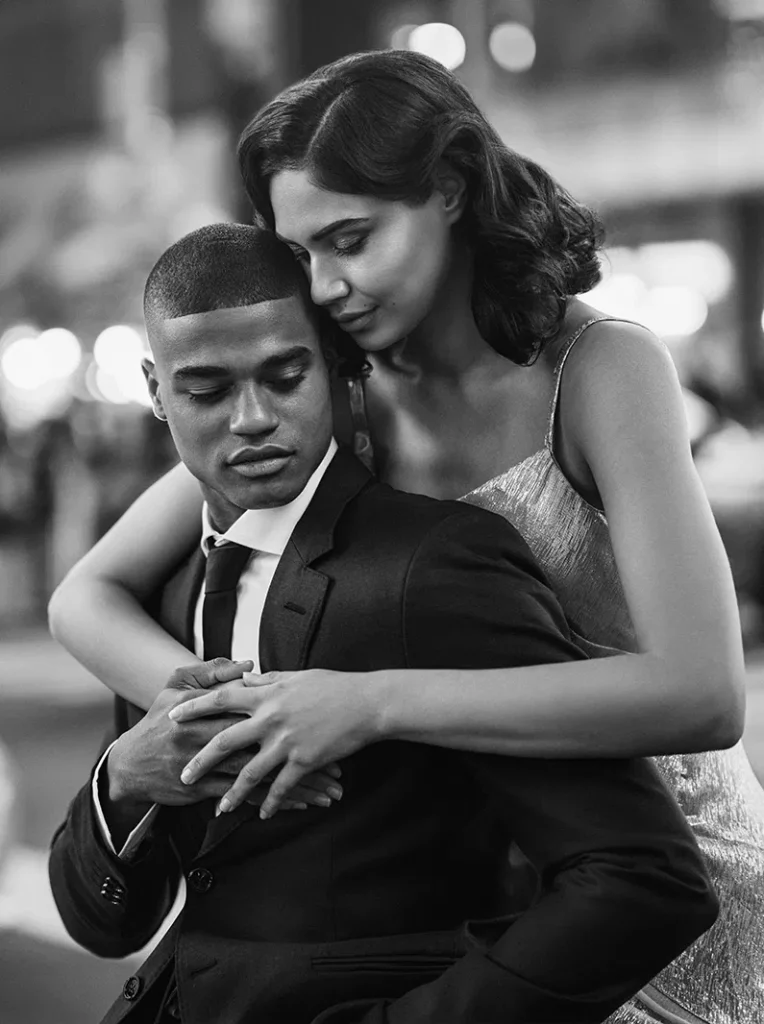
Portrait photography is more than taking a clear picture of a person. A strong portrait can communicate personality, emotion, atmosphere, and even a small part of someone’s story. Whether you are photographing a friend, family member, client, or yourself, the goal is not only to create a technically correct image. It is also to create a photograph that feels meaningful. At AXIS, photography is closely connected to visual storytelling. A portrait becomes more memorable when the viewer can understand something about the person in the frame. Lighting, composition, environment, and expression all work together to create that connection. What Is Portrait Photography? Portrait photography focuses on capturing a person or group of people while communicating something about who they are. Although the face is often the main subject, a portrait can include the person’s surroundings, clothing, body language, and other details. Some portraits are carefully posed in a studio, while others are photographed outdoors or in everyday environments. There is no single correct approach. What matters is how the photographer uses the elements within the image to direct attention and communicate an idea or emotion. A meaningful portrait should encourage the viewer to look beyond the subject’s appearance. It might communicate confidence, calmness, happiness, curiosity, or another emotion. This is why portrait photography and visual storytelling work so well together. Even one photograph can suggest a larger story. How Lighting Changes a Portrait Lighting is one of the most important elements of portrait photography. It affects not only how clearly we see the subject but also the mood of the entire photograph. Using Natural Light Natural light is an accessible option for photographers at almost any experience level. Window light can create a soft look indoors, while outdoor light provides many possibilities depending on the weather and time of day. Soft light can create gentle shadows and a calm atmosphere. Strong direct light can produce deeper shadows and a more dramatic image. Instead of immediately adding more equipment, observe the available light. Look at where it comes from and how it changes the subject’s face. Think About Mood Lighting should support the feeling you want the portrait to communicate. A bright scene may feel energetic and open, while shadows can create a quieter or more thoughtful mood. Learning to observe light is one of the most useful photography tips for portrait photography because it encourages you to make creative decisions instead of simply trying to make every photograph brighter. Composition and Background Composition determines how the elements of a photograph are arranged. In portrait photography, good composition helps guide the viewer’s attention toward the subject. Before taking a photograph, check the entire frame. A distracting object behind the subject can take attention away from the person. Keep the Background Purposeful A simple background often works well because it allows the subject to stand out. However, a background does not always need to be empty. An environmental portrait can include details that tell us something about the subject. For example, photographing an artist in a studio or a student in a familiar neighborhood can add information to the story. The important question is whether the background supports the photograph or distracts from it. Guide the Viewer’s Attention Composition techniques such as the rule of thirds, leading lines, framing, and negative space can help organize the image. These techniques should not become strict rules. Instead, use them as tools to decide what the viewer should notice first and how their eyes should move through the photograph. How to Capture Natural Expressions One challenge in portrait photography is helping people look comfortable in front of the camera. When subjects become too focused on posing, their expressions may appear unnatural. Communication can make a major difference. Talk to the person before and during the session. Give simple directions rather than asking them to hold complicated poses. You can also ask them to walk, look away, interact with their surroundings, or think about something that creates a genuine reaction. Create a Comfortable Environment A relaxed subject is more likely to show natural expressions. Give people time to become familiar with the camera and avoid rushing every moment. Sometimes the strongest photograph happens between planned poses. Pay attention when the subject laughs, changes position, or briefly forgets about the camera. These small moments can make a portrait feel more authentic. Adding Story to Portrait Photography Technical skills are important, but meaningful portrait photography goes further. Consider what you want the photograph to say about the person. Location, clothing, objects, gestures, light, and perspective can all provide information. You do not need to include many elements. A small detail can sometimes communicate more effectively than a complicated scene. Before pressing the shutter, ask yourself: Thinking about these questions turns portrait photography into a form of storytelling. Conclusion Portrait photography combines technical decisions with human connection. Lighting helps create mood, composition directs attention, backgrounds provide context, and natural expressions bring personality into the photograph. The best way to improve is to keep observing and experimenting. Try photographing the same person in different types of light, locations, and compositions. Compare the results and notice how each decision changes the story. Explore the AXIS Gallery for more visual inspiration, or visit our Blog to continue learning about lifestyle photography and visual storytelling.
Lifestyle Photography: Capturing Authentic Everyday Moments

Lifestyle photography is about capturing real people, natural interactions, and everyday moments in a visually meaningful way. Unlike highly posed photography, lifestyle images often feel relaxed and authentic because they show people in familiar environments and situations. A successful lifestyle photograph does more than document what happened. It communicates atmosphere, emotion, and a sense of story. The photographer must pay attention to light, surroundings, composition, and human interaction while allowing moments to develop naturally. In this guide, we will explore practical lifestyle photography techniques for creating authentic images, from choosing meaningful locations and using natural light to capturing genuine interactions and telling stronger visual stories. What Is Lifestyle Photography? Lifestyle photography focuses on real-life situations and natural interactions. Instead of controlling every detail of a scene, the photographer creates opportunities for authentic moments to happen and stays ready to capture them. The subjects might be a family spending time together, friends exploring a city, a person working on a creative project, or someone enjoying a quiet moment at home. The setting becomes an important part of the photograph because it provides context about the people and their lives. This does not mean lifestyle photography requires no planning. Choosing the right location, observing the available light, and thinking about composition can help create images that feel natural while still being visually strong. Choose a Meaningful Environment The environment is an important part of lifestyle photography because it helps explain who the subject is and what is happening. A familiar location can make people feel more comfortable and can also add useful details to the story. For example, a family might be photographed at home or in a favorite park, while an artist might be photographed in a studio surrounded by creative tools. The location should support the subject rather than compete for attention. Before taking photographs, look around the environment for distracting objects, interesting textures, natural frames, and areas with good light. Small adjustments to the shooting position can often create a cleaner and more meaningful composition. Use the Environment to Tell a Story Details in the environment can make a lifestyle photograph more personal and informative. Objects, architecture, furniture, clothing, and even weather can provide clues about the subject and the moment being photographed. However, not every detail needs to be included. Choose elements that contribute to the story and remove or avoid distractions when possible. The goal is to create an image that feels natural without becoming visually confusing. When the subject and environment work together, the photograph can communicate a stronger sense of place and experience. Work With Natural Light Natural light is often a great choice for lifestyle photography because it helps maintain the realistic and relaxed feeling of a scene. Window light can create soft illumination indoors, while outdoor light offers different possibilities depending on the weather and time of day. Instead of trying to make every scene as bright as possible, pay attention to the direction and quality of the light. Soft light can create a calm atmosphere, while stronger light and shadows can add contrast and energy. Move around the location and observe how the light changes on the subject. Sometimes moving only a few steps or changing the subject’s position can improve the photograph without requiring additional lighting equipment. Observe the Light Before Shooting Before taking the first photograph, spend a few moments observing how the light interacts with the environment and the subject. Look for areas where the light feels soft and natural, and notice whether strong shadows are distracting from the person. You can also experiment with different angles. Photographing from another direction may completely change the mood of the image. Learning to notice these small differences can help you create lifestyle photographs that feel both natural and visually intentional. Capture Genuine Interactions Authentic lifestyle photography often depends on what people do with one another rather than how perfectly they pose. Encourage subjects to walk, talk, explore, work, or take part in an activity that feels familiar to them. These simple actions can help people relax and create opportunities for genuine expressions. Instead of asking someone to hold a fixed smile or position, give simple directions that encourage movement and interaction. A small action can lead to natural gestures, eye contact, and expressions that would be difficult to reproduce through traditional posing. Stay ready before and after the obvious moment. A laugh after a conversation, a quick glance between two people, or a quiet pause can sometimes become the most memorable photograph. Give Simple Direction, Not Rigid Poses Simple direction can help subjects feel comfortable without making the photograph look overly posed. Instead of controlling every movement, suggest an activity such as walking together, looking at something nearby, or having a conversation. This approach gives people something natural to focus on and allows the photographer to observe real expressions and body language. The goal is not to remove all direction, but to use just enough guidance to create authentic moments while keeping the scene visually organized. Conclusion Lifestyle photography is about finding meaningful stories in everyday life. By choosing environments carefully, observing natural light, and encouraging genuine interactions, photographers can create images that feel both authentic and visually intentional. The more you practice observing people, light, and small details, the easier it becomes to recognize moments worth capturing. Keep experimenting with different locations and situations, and focus on creating photographs that communicate a real sense of experience. Explore the AXIS Gallery for more visual inspiration, and continue learning with our guides to portrait photography and visual storytelling.
Visual Storytelling: How to Tell Powerful Stories Through Photography
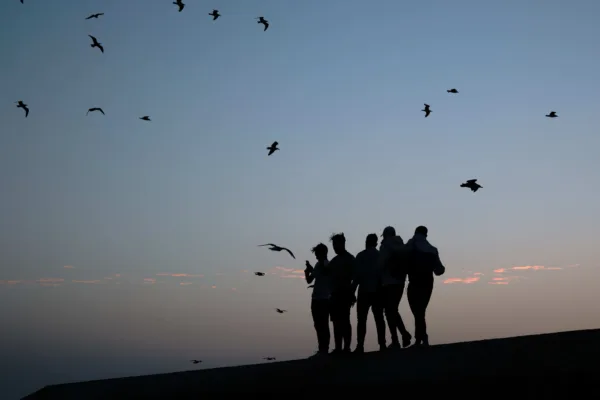
Visual storytelling is the art of using photographs to communicate ideas, emotions, and experiences. A strong image can do more than show what a subject looks like—it can help the viewer understand a moment, imagine what happened, and feel connected to the story. In photography, storytelling depends on many elements working together. Composition guides the viewer’s attention, lighting creates mood, environments provide context, and small details can reveal important information about a person or place. In this guide, we will explore practical visual storytelling techniques that can help photographers create stronger and more meaningful images. By learning to observe moments carefully and make intentional creative decisions, you can turn everyday photographs into stories that viewers remember. What Is Visual Storytelling? Visual storytelling uses images to communicate a message or experience without relying entirely on words. In photography, this means thinking beyond the subject itself and considering how every element in the frame contributes to the story. A photograph can suggest where a person is, what they are doing, how they might feel, and what kind of atmosphere surrounds the moment. Lighting, composition, color, expressions, and background details can all influence the way viewers interpret an image. Effective visual storytelling does not require a dramatic event. Even a simple everyday scene can become meaningful when the photographer carefully observes the relationships between people, places, light, and details. Use Composition to Guide the Story Composition helps determine what the viewer notices first and how their eyes move through a photograph. By carefully arranging subjects and background elements, photographers can make the main idea of an image easier to understand. Techniques such as the rule of thirds, leading lines, framing, and negative space can help direct attention. However, these techniques should support the story rather than distract from it. The most important question is whether the composition helps communicate the intended mood or message. Before taking a photograph, look around the entire frame. Small changes in camera position or angle can remove distractions, emphasize important details, and create a clearer visual story. Choose a Clear Focal Point A strong visual story usually has a clear focal point that gives the viewer a place to begin. The focal point might be a person, an object, a gesture, or an important detail within the environment. Use composition, light, contrast, and positioning to make the main subject easy to recognize. At the same time, consider how the surrounding elements support the subject and add context to the photograph. When every part of the frame has a purpose, the image becomes easier to understand and the story feels more intentional. Use Light to Create Mood Light plays an important role in visual storytelling because it can completely change the mood of a photograph. Soft natural light can create a calm and peaceful feeling, while strong shadows and contrast can make an image feel more dramatic. The direction of light also affects how viewers experience the subject. Side lighting can reveal texture and shape, while backlighting can create silhouettes or a sense of atmosphere. Even ordinary locations can feel very different depending on the time of day and the available light. Instead of thinking only about whether a photograph is bright enough, consider what kind of emotion the light communicates. Choosing light intentionally can make the story of an image much stronger. Match the Light to the Emotion Before taking a photograph, think about the emotion you want the viewer to experience. Warm evening light may create a feeling of comfort or nostalgia, while cooler light can make a scene feel quiet or distant. Pay attention to shadows as well as highlights. Shadows can hide unnecessary details, create depth, and add mystery to an image. By observing how light changes throughout the day, photographers can choose the right moment to support the story they want to tell. Use Environment and Details to Add Context The environment can provide important information that helps viewers understand the story behind a photograph. A street, home, workplace, or natural landscape can reveal where the moment is happening and give the subject more context. Small details can also make a visual story more meaningful. Clothing, objects, signs, architecture, weather, and gestures can all provide clues about the people and places in an image. However, too many details can become distracting. Choose elements that support the main subject and remove unnecessary visual clutter when possible. A carefully selected environment can make a photograph feel more complete without taking attention away from the central story. Look for Meaningful Details Meaningful details can make a photograph feel more personal and help viewers understand the story more deeply. A person’s hands, a familiar object, a reflection, or a small interaction can sometimes communicate as much as the main subject. Train yourself to notice these details before and during a photo session. Consider taking both wide photographs that show the environment and closer images that focus on smaller elements. Together, these different perspectives can create a richer and more complete visual story. Conclusion Visual storytelling helps photographers create images that communicate more than what is simply visible in the frame. Through composition, lighting, environment, and meaningful details, a photograph can express emotion, provide context, and guide viewers through a story. The best way to improve visual storytelling is to observe carefully and photograph with intention. Before pressing the shutter, think about what you want the viewer to notice and feel. With practice, even simple everyday moments can become powerful visual stories. Explore the AXIS Gallery for more visual inspiration, and continue learning with our guides to portrait photography and lifestyle photography.