
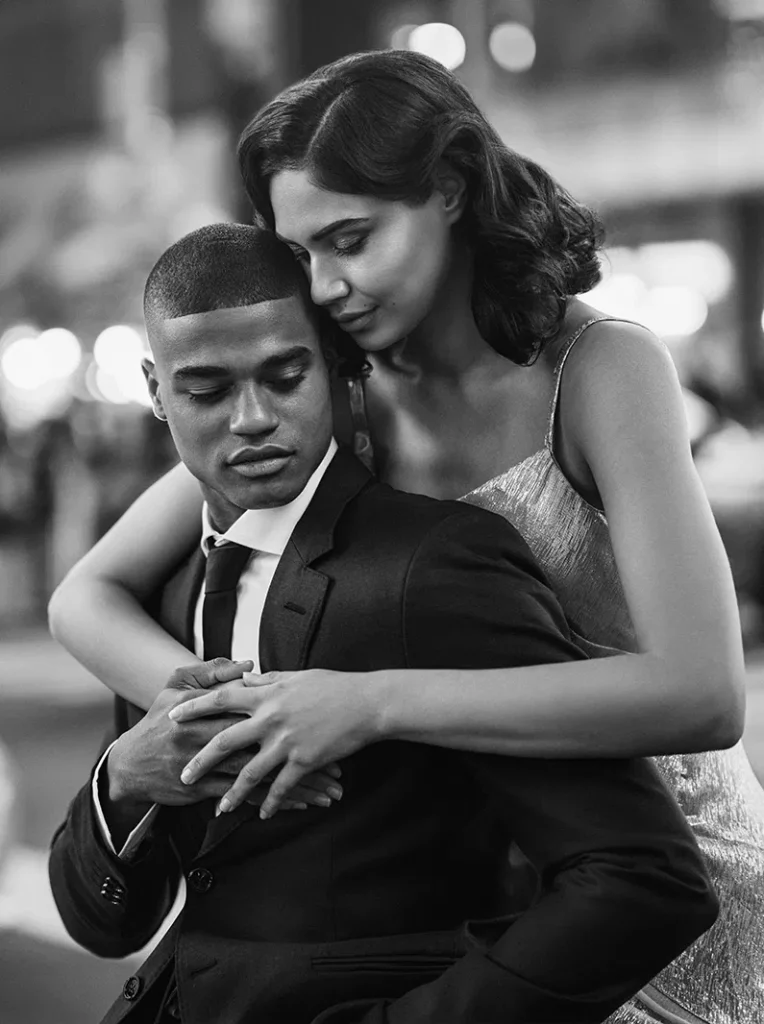
Portrait photography is more than taking a clear picture of a person. A strong portrait can communicate personality, emotion, atmosphere, and even a small part of someone’s story. Whether you are photographing a friend, family member, client, or yourself, the goal is not only to create a technically correct image. It is also to create a photograph that feels meaningful.
At AXIS, photography is closely connected to visual storytelling. A portrait becomes more memorable when the viewer can understand something about the person in the frame. Lighting, composition, environment, and expression all work together to create that connection.
What Is Portrait Photography?
Portrait photography focuses on capturing a person or group of people while communicating something about who they are. Although the face is often the main subject, a portrait can include the person’s surroundings, clothing, body language, and other details.
Some portraits are carefully posed in a studio, while others are photographed outdoors or in everyday environments. There is no single correct approach. What matters is how the photographer uses the elements within the image to direct attention and communicate an idea or emotion.
A meaningful portrait should encourage the viewer to look beyond the subject’s appearance. It might communicate confidence, calmness, happiness, curiosity, or another emotion.
This is why portrait photography and visual storytelling work so well together. Even one photograph can suggest a larger story.
How Lighting Changes a Portrait
Lighting is one of the most important elements of portrait photography. It affects not only how clearly we see the subject but also the mood of the entire photograph.
Using Natural Light
Natural light is an accessible option for photographers at almost any experience level. Window light can create a soft look indoors, while outdoor light provides many possibilities depending on the weather and time of day.
Soft light can create gentle shadows and a calm atmosphere. Strong direct light can produce deeper shadows and a more dramatic image.
Instead of immediately adding more equipment, observe the available light. Look at where it comes from and how it changes the subject’s face.
Think About Mood
Lighting should support the feeling you want the portrait to communicate. A bright scene may feel energetic and open, while shadows can create a quieter or more thoughtful mood.
Learning to observe light is one of the most useful photography tips for portrait photography because it encourages you to make creative decisions instead of simply trying to make every photograph brighter.
Composition and Background
Composition determines how the elements of a photograph are arranged. In portrait photography, good composition helps guide the viewer’s attention toward the subject.
Before taking a photograph, check the entire frame. A distracting object behind the subject can take attention away from the person.
Keep the Background Purposeful
A simple background often works well because it allows the subject to stand out. However, a background does not always need to be empty.
An environmental portrait can include details that tell us something about the subject. For example, photographing an artist in a studio or a student in a familiar neighborhood can add information to the story.
The important question is whether the background supports the photograph or distracts from it.
Guide the Viewer’s Attention
Composition techniques such as the rule of thirds, leading lines, framing, and negative space can help organize the image.
These techniques should not become strict rules. Instead, use them as tools to decide what the viewer should notice first and how their eyes should move through the photograph.
How to Capture Natural Expressions
One challenge in portrait photography is helping people look comfortable in front of the camera. When subjects become too focused on posing, their expressions may appear unnatural.
Communication can make a major difference.
Talk to the person before and during the session. Give simple directions rather than asking them to hold complicated poses. You can also ask them to walk, look away, interact with their surroundings, or think about something that creates a genuine reaction.
Create a Comfortable Environment
A relaxed subject is more likely to show natural expressions. Give people time to become familiar with the camera and avoid rushing every moment.
Sometimes the strongest photograph happens between planned poses. Pay attention when the subject laughs, changes position, or briefly forgets about the camera.
These small moments can make a portrait feel more authentic.
Adding Story to Portrait Photography
Technical skills are important, but meaningful portrait photography goes further. Consider what you want the photograph to say about the person.
Location, clothing, objects, gestures, light, and perspective can all provide information. You do not need to include many elements. A small detail can sometimes communicate more effectively than a complicated scene.
Before pressing the shutter, ask yourself:
- What do I want the viewer to notice first?
- What emotion does this lighting create?
- Does the environment tell us something about the subject?
- Are there unnecessary distractions?
- Does this moment feel natural?
Thinking about these questions turns portrait photography into a form of storytelling.
Conclusion
Portrait photography combines technical decisions with human connection. Lighting helps create mood, composition directs attention, backgrounds provide context, and natural expressions bring personality into the photograph.
The best way to improve is to keep observing and experimenting. Try photographing the same person in different types of light, locations, and compositions. Compare the results and notice how each decision changes the story.
Explore the AXIS Gallery for more visual inspiration, or visit our Blog to continue learning about lifestyle photography and visual storytelling.